Think of a Bitcoin ATM as a specialized vending machine where you can buy or sell Bitcoin using physical cash. It acts as a bridge, allowing individuals to exchange their physical money for digital currency and vice-versa. This machine makes it easier to access Bitcoin without needing a traditional bank account or complex online setup.
Disclaimer: This article is for informational purposes only and does not constitute financial advice. Always conduct your own research before making any financial decision.
What Is a Bitcoin ATM?
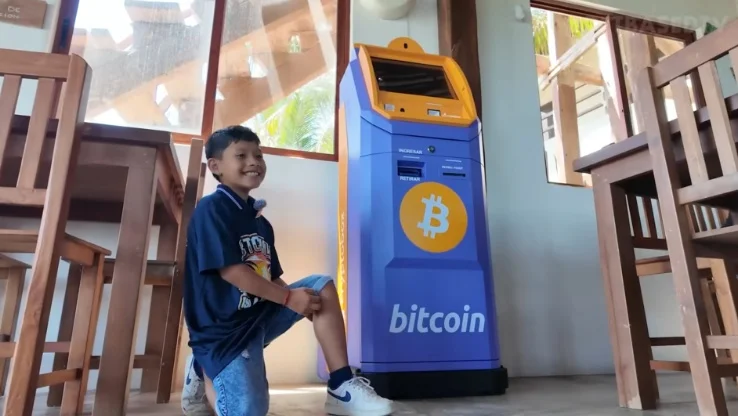
A Bitcoin ATM is a specialized machine that allows individuals to exchange cash for Bitcoin, the world's first and largest decentralized digital currency, and vice-versa. It provides a straightforward way to move between traditional physical money and digital currency. This makes it a helpful tool for those who might not have access to online banking or prefer using cash for their transactions.
How Does a Bitcoin ATM Work?
Using a Bitcoin ATM involves a few straightforward steps, whether you want to buy Bitcoin with cash or sell Bitcoin to get cash. It's like using a regular bank ATM, but for digital money.
To buy Bitcoin:
- First, you will enter your phone number into the machine.
- The ATM sends a unique code to your phone, which you then enter into the machine to verify your identity.
- Next, you open your wallet on your smartphone. A wallet is a digital tool used to store, send, and receive cryptocurrencies like Bitcoin.
- In your wallet app, you'll choose to "receive" or "deposit" Bitcoin.
- The ATM screen will display a unique QR code, which you will scan using your phone's wallet app. This tells the ATM where to send the Bitcoin.
- Finally, you insert your cash into the machine. The ATM then processes the transaction, which is the act of sending Bitcoin from the machine to your wallet.

To sell Bitcoin and receive cash:
- You select the "sell Bitcoin" option on the ATM screen.
- The machine will display a QR code for you to send your Bitcoin to.
- You then use your mobile wallet to send the desired amount of Bitcoin to that QR code.
- The ATM waits for your on-chain transaction to be processed, and understanding how Bitcoin transaction confirmations work is essential to realize when your funds are truly secure. An on-chain transaction is a fundamental operation that occurs directly on the main Bitcoin network.
- You can often track the status of your transaction using tools like Mempool.space, an explorer that visualizes the Bitcoin network. Once the transaction is confirmed, the machine will dispense your cash. Some ATMs have limits on how much cash you can exchange without providing personal identification. This process, called KYC or 'Know Your Customer,' is a regulatory step that requires users to provide personal details like an ID.
Why Does a Bitcoin ATM Matter?
Bitcoin ATMs are important because they offer a pathway to financial participation for many individuals. They address several challenges faced by people in traditional financial systems.
For those who do not have bank accounts or official identification, Bitcoin ATMs provide a crucial point of access to digital money. This gives them a way to engage in the digital economy that might otherwise be unavailable. It helps foster financial freedom, allowing individuals to manage their money without needing permission from a traditional bank.
Additionally, some people value the option to transact with greater privacy. While some Bitcoin ATM transactions might require KYC (Know Your Customer), smaller transactions can often be completed without revealing personal identification. This appeals to those who wish to keep their financial activities private.
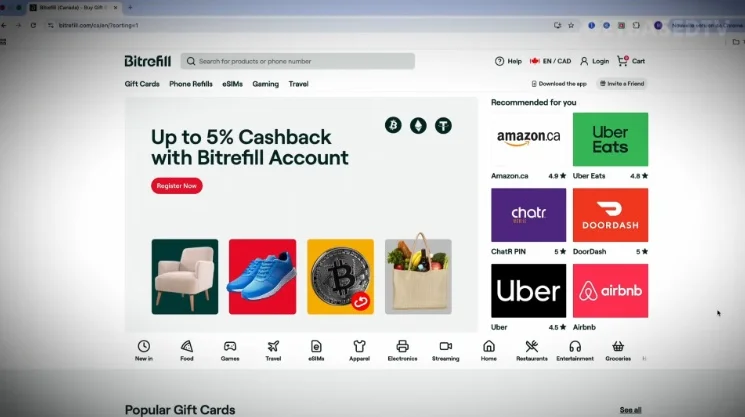
Finally, these machines make Bitcoin feel more tangible. By allowing direct exchange with physical cash, Bitcoin ATMs help bridge the gap between digital currency and the real world, making it a more concrete tool for everyday use. Platforms like Bitrefill further extend this by enabling users to buy gift cards with Bitcoin, allowing them to purchase real-world goods and services directly with their digital currency.
Key Terms You Should Know
Term | Plain-English Meaning |
Bitcoin ATM | A specialized machine allowing individuals to exchange cash for Bitcoin and vice-versa. |
Bitcoin | The world's first and largest decentralized digital currency. |
Wallet | A digital tool used to store, send, and receive cryptocurrencies like Bitcoin. |
Transaction | The act of sending or receiving Bitcoin. |
QR code | A type of barcode that can be scanned by a smartphone to quickly access information or perform an action, such as initiating a crypto transaction. |
On-chain transaction | A fundamental operation that occurs directly on the main Bitcoin network, recorded on the public ledger. |
Mempool.space | An online tool that allows users to view pending Bitcoin transactions on the network before they are added to a block. |
KYC (Know Your Customer) | A regulatory process that requires users to provide personal identification to financial service providers. |
Financial freedom | The ability to control and manage one's money and financial decisions without external restrictions or permissions. |
Bitrefill | A platform that allows users to purchase gift cards for various real-world services using Bitcoin, enabling them to spend cryptocurrency directly. |
Common Misconceptions
- Misconception: Bitcoin ATMs are only for illicit activities or are not regulated.
- Correction: Bitcoin ATMs are legitimate tools that provide accessible on-ramps and off-ramps for individuals to use Bitcoin. While some users value the privacy they offer, many machines comply with regulations, and larger transactions often require identity verification.
- Misconception: All Bitcoin transactions are completely anonymous.
- Correction: While Bitcoin transactions can offer more privacy than traditional banking, they are not entirely anonymous. The blockchain is a public record of all transactions. Additionally, many services, including some Bitcoin ATMs, may require KYC (Know Your Customer) information for larger transactions, linking transactions to an individual's identity.
- Misconception: Bitcoin is only for tech experts or investors.
- Correction: Bitcoin ATMs, as discussed, are specifically designed to make Bitcoin accessible to everyone, including those without bank accounts or IDs. The goal is to provide financial freedom and options for people who may feel excluded from traditional systems.
Bitcoin On-Chain vs. Lightning Transactions
When discussing Bitcoin transactions, you might encounter terms like "on-chain" and "Lightning." These refer to different ways transactions are handled on the Bitcoin network.
Bitcoin On-Chain Transaction | Lightning Transaction | |
What it is | A fundamental operation that occurs directly on the main Bitcoin network (Layer 1). | A secondary layer (Layer 2) built on top of the Bitcoin network. |
Speed | Can be slower, as they must be confirmed by the entire network. | Designed to be much faster, almost instant, for everyday payments. |
Cost | Transaction fees can vary and might be higher, especially during network congestion. | Typically incurs much lower transaction fees, making small payments more practical. |
Purpose | Best for larger, less frequent transactions where high security and finality are paramount. | Ideal for frequent, smaller transactions like buying coffee, emphasizing speed and low cost. |
Frequently Asked Questions
Is a Bitcoin ATM safe?
Using a Bitcoin ATM involves similar considerations to using a traditional ATM. It is important to be aware of your surroundings and protect your personal information. The machines are designed to securely facilitate the exchange of cash for Bitcoin. However, like any financial transaction, it's wise to understand the process and verify the details before confirming.
Do I need a bank account or ID to use a Bitcoin ATM?
One of the key reasons Bitcoin ATMs exist is to provide access to those without traditional bank accounts or official IDs. Many smaller transactions can be completed using only a phone number and a digital wallet. However, for larger amounts, the ATM may require KYC (Know Your Customer) verification, which means you would need to provide personal identification.
How is a Bitcoin ATM different from an online exchange?
A Bitcoin ATM offers a physical way to exchange cash for Bitcoin directly, making it feel more tangible for many users. It can be particularly helpful for those who prefer to deal with cash or who lack access to traditional online banking methods. Online exchanges, on the other hand, typically require you to link a bank account or credit card and operate entirely digitally.
Can anyone use a Bitcoin ATM?
Generally, yes, anyone can use a Bitcoin ATM. They are designed to be accessible, especially for individuals who might be excluded from traditional financial services due to a lack of bank accounts or identification. However, some ATMs and larger transactions may have KYC requirements, meaning you would need to provide personal details.