What Is Bitcoin Halving?
Think of a blockchain like a shared spreadsheet that nobody owns: transparent, secure, and constantly updated. Within this digital system, Bitcoin Halving is a pre-programmed event that cuts in half the amount of new Bitcoin entering the system. This mechanism is crucial for controlling the total supply of Bitcoin.
Imagine a gold mine where the amount of gold discovered each year gets intentionally reduced by half at regular intervals. This is similar to how Bitcoin Halving works for digital gold. It's a mechanism that directly regulates the amount of new Bitcoin awarded to miners for their work in securing the network.
Disclaimer: This article is for informational purposes only and does not constitute financial advice. Always conduct your own research before making any financial decision.
How Does Bitcoin Halving Work?
The core idea behind the Bitcoin Halving is to control the issuance of new Bitcoin. Every four years, or precisely every 210,000 blocks added to the blockchain, the reward given to miners is automatically cut in half. This process ensures a predictable and declining rate of new Bitcoin creation.
To understand this, let's look at the sequence of events:
- Miners on the Bitcoin network solve complex puzzles to verify and add new groups of transactions, called blocks, to the blockchain.
- For each block they successfully add, miners receive a reward in new Bitcoin, known as the block reward.
- Approximately every four years, this block reward is halved. For example, if miners previously received 6.25 Bitcoin per block, after a halving event, they would receive 3.125 Bitcoin per block.
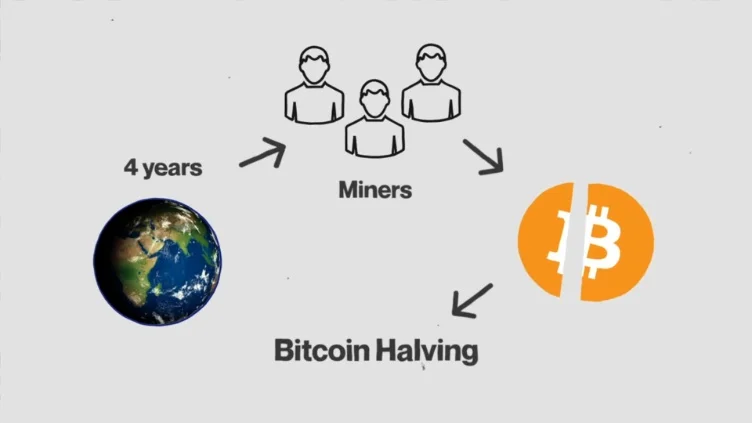
This built-in schedule is a fundamental part of Bitcoin's design, which dictates its long-term issuance. Because this issuance schedule is so rigid, it naturally influences the cyclical patterns often observed in the broader market.
Bitcoin Market Cycles
Think of Bitcoin market cycles like the changing of the seasons; while the exact timing can shift, the pattern tends to repeat over a period of approximately four years. This timeline is closely linked to the supply schedule of the network, which regulates how much new Bitcoin enters circulation. Historically, these cycles display a recurring structure consisting of two distinct stages. The first stage, often referred to as a bull market, typically spans around 1,000 days of growth in interest and network activity. This is generally followed by a bear market stage, which often lasts for about one year.
Understanding these cycles helps in recognizing that the ecosystem moves through phases of expansion and contraction. Many participants feel the urge to predict these transitions to time their activity, but the reality is that identifying the exact start or end of a phase is difficult even for those who monitor the network full-time. Rather than attempting to guess when a cycle will turn, it is helpful to view Bitcoin as a verifiably scarce asset. Since the total supply is capped by the underlying code, the focus remains on the utility and long-term existence of the network rather than the short-term fluctuations that define a cycle's current stage. These fundamental properties explain why the halving is a cornerstone of the protocol's value proposition.
Why Does Bitcoin Halving Matter?
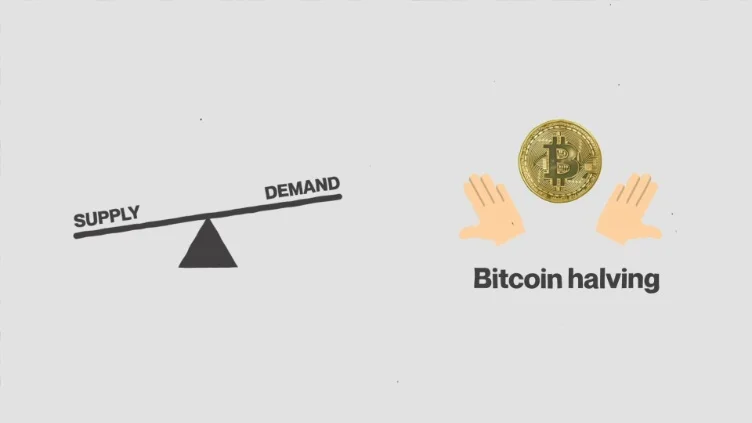
The Bitcoin Halving matters because it directly impacts the supply of new Bitcoin entering the market. By reducing the rate at which new Bitcoin are created, the halving mechanism introduces scarcity. This controlled scarcity is a key feature of Bitcoin's design, setting it apart from traditional currencies that can be printed by central banks.
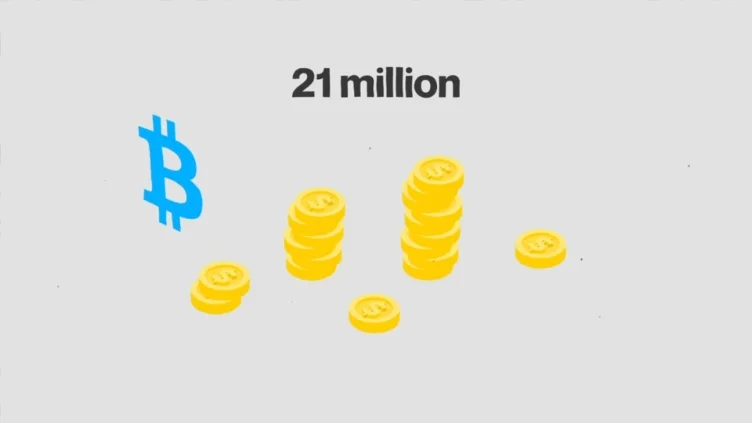
Think of it like a very rare resource that becomes even harder to find over time. The total supply of Bitcoin is strictly limited to 21 million coins, meaning no more will ever be created after this cap is reached. The halving process is designed to ensure this limit is gradually approached. Historically, a reduced supply, assuming demand remains the same or increases, has been associated with changes in Bitcoin's market dynamics. This mechanism helps to secure the Bitcoin network in the long term by making Bitcoin a more controlled and potentially valuable asset.
Key Terms You Should Know
Term Plain-English Meaning
Bitcoin | The world's first and largest cryptocurrency, a digital form of money. |
Bitcoin Halving | A pre-programmed event that cuts in half the reward miners receive for adding new blocks to the blockchain. |
Block reward | The amount of new Bitcoin that miners receive for successfully adding a block of transactions to the blockchain. |
Miners | Participants in the Bitcoin network who use powerful computers to verify transactions and add them to the blockchain, earning block rewards and transaction fees. |
Network | The decentralized system of computers and participants that operates and maintains Bitcoin. |
Blockchain | A digital, public record of all Bitcoin transactions, secured by cryptography and maintained by the network. |
Blocks | Groups of verified transactions that are added to the blockchain. |
Transaction fees | A small charge paid by users to miners when making a Bitcoin transaction, separate from the block reward. |
Having a grasp on these core concepts is helpful, but it is equally important to clear up common misunderstandings about how the network functions. Below are some frequent points of confusion regarding the halving process.
Common Misconceptions
- Misconception: Bitcoin Halving automatically guarantees a price increase.
- Correction: While historically associated with price movements due to supply reduction, the halving itself does not guarantee any specific financial outcome. Many factors influence Bitcoin's price, and demand plays a significant role alongside supply.
Frequently Asked Questions
Does Bitcoin Halving affect Bitcoin's security?
The Bitcoin Halving directly impacts the block reward given to miners, who are crucial for securing the network. By reducing the new Bitcoin created, it aims to maintain scarcity. Over time, miners are expected to rely more on transaction fees for their income to continue securing the network.
Do I need Bitcoin Halving to use crypto?
No, Bitcoin Halving is an automatic, built-in feature of the Bitcoin protocol itself. It's a fundamental part of how new Bitcoin are issued and doesn't require any action from individual users to "use" it.
How often does Bitcoin Halving occur?
Bitcoin Halving occurs approximately every four years, or more precisely, after every 210,000 blocks are added to the blockchain.
What happens after the last Bitcoin Halving?
The last Bitcoin Halving is projected to occur around the year 2140. After this, miners will no longer receive new Bitcoin as a block reward. Instead, they will rely solely on transaction fees paid by users to compensate them for securing the network.