What You Need Before You Start
Requirement | Details |
|---|---|
Device Type | Computer |
Other | Printer, an offline environment for key generation |
What Is a Cryptocurrency Wallet?
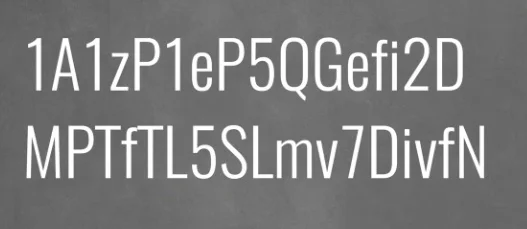
A cryptocurrency wallet is essential for interacting with digital assets, acting as a secure place to store your virtual coins. Just like a bank account, each wallet has a unique address that differentiates it from others. While these addresses might appear as random strings of letters and numbers, they are mathematically generated.
Wallets are created by generating a key pair: a private key and a public key, using specific algorithms. The public key serves as your wallet's address, which you can share with others to receive funds. The private key, on the other hand, is a secret identifier that proves your ownership of the wallet and enables you to spend the coins within it. Keeping your private key secure is paramount.
A paper wallet is a specific method of storing cryptocurrency by generating the wallet's keys while completely offline. The public and private keys are then printed out, and all digital copies are destroyed from the computer. This approach aims to enhance security by removing the keys from internet-connected devices.
Disclaimer: This article is for informational purposes only and does not constitute financial advice. Always conduct your own research before using any platform or service.
Cryptocurrency wallet: A digital tool or physical medium used to store virtual coins, identified by a unique address. Wallet address: A unique string of alphanumeric characters that serves as the public identifier for a cryptocurrency wallet, similar to a bank account number. Private key: A secret, mathematically linked key to a wallet address that proves ownership and allows the spending of coins within that wallet. Public key: The address of a cryptocurrency wallet that can be shared with others, derived from the private key. Elliptical Curve Digital Signature Algorithm (ECDSA): An algorithm used by cryptocurrencies like Bitcoin and Ethereum to generate mathematically linked public and private keys for wallets. Paper wallet: A method of storing cryptocurrency by generating a wallet offline, printing the public and private keys, and then deleting the keys from the computer.
Step-by-Step Guide
Creating a Paper Wallet
- Generate a wallet offline. Disconnect your computer from the internet before creating the wallet's keys. This process produces a unique public key (your wallet address) and a private key.

- Print out the public and private key. Physically print copies of both the public key (wallet address) and the private key.

- Destroy the keys on your computer. Permanently delete all digital copies of the public and private keys from your computer to enhance security.
- Send coins to the paper wallet address. You can now transfer cryptocurrencies to the public key (wallet address) that you printed.
Common Errors and How to Fix Them
Error | Cause | Fix |
|---|---|---|
Permanent loss of coins | Transferring coins to an invalid or non-existent address. The cryptocurrency network cannot verify if an address exists. | Always double-check the recipient's wallet address before initiating a transfer. There is no recovery for coins sent to an invalid address. |
Frequently Asked Questions
Is a paper wallet secure?
Paper wallets are considered a very secure method for storing cryptocurrency because the private key is kept offline, reducing exposure to online threats. However, physical security of the printed keys is paramount; if lost or stolen, your funds could be inaccessible or compromised.
What happens if I send coins to an incorrect address?
If you transfer coins to an invalid or non-existent wallet address, those coins are permanently lost. The cryptocurrency network does not maintain a list of all existing wallets and cannot verify the validity of a recipient address during a transaction.
What is coin burning?
Coin burning: A process used to reduce the total supply of a cryptocurrency, potentially increasing its value, or to remove unclaimed coins.
This often occurs when coins are intentionally sent to an unspendable address, effectively removing them from circulation. 
How do I prove ownership of a wallet?
Ownership of a cryptocurrency wallet is proven by possessing its associated private key. The private key allows you to sign transactions and spend the coins within that wallet.
How are cryptocurrency wallet addresses generated?
Cryptocurrency wallet addresses are generated by an algorithm that creates a mathematically linked pair: a private key and a public key. The public key then serves as the wallet's address. For Bitcoin and Ethereum, this often involves the Elliptical Curve Digital Signature Algorithm (ECDSA).