Ledger Nano S Plus vs Ledger Nano X: Quick Comparison
Feature Ledger Nano S Plus Ledger Nano X
Connectivity | Wired (USB) | Wireless (Bluetooth), Wired (USB) |
Application Capacity | Up to 100 applications | Mobile-enabled (capacity not specified) |
Disclaimer: This article is for informational purposes only and does not constitute financial advice. Always conduct your own research before making any financial decision.
What Is Ledger Nano S Plus?
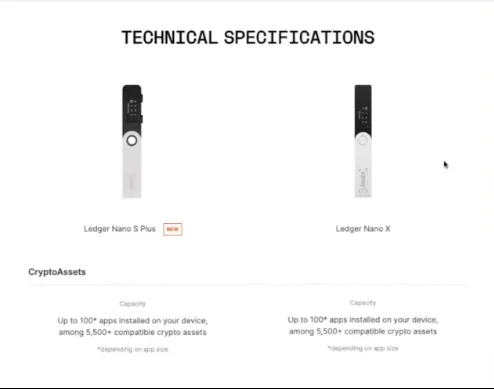
The Ledger Nano S Plus is a hardware cryptocurrency wallet that resolves the memory limitations present in the original Nano S device. It is designed to hold a greater number of applications, supporting up to 100 applications concurrently. Before use, you must follow the guide for initializing your hardware wallet, as this device requires a physical connection to a computer for operation.
What Is Ledger Nano X?
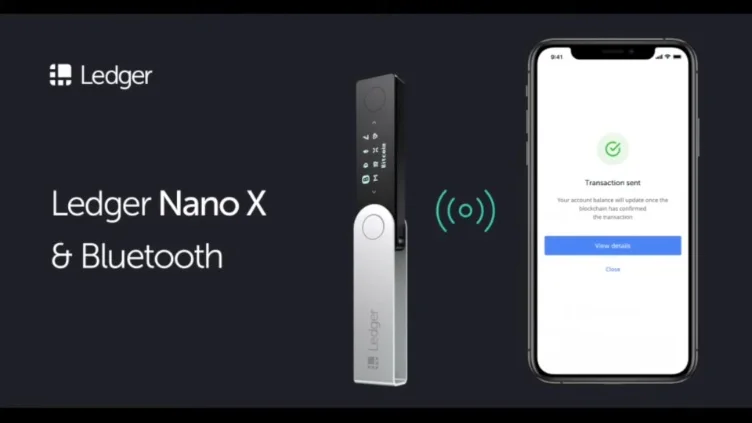
The Ledger Nano X is a hardware cryptocurrency wallet that offers enhanced mobility. Its primary distinguishing feature is Bluetooth connectivity, which allows users to manage their crypto assets directly from a mobile phone. Like the Nano S Plus, it also offers wired connectivity.
Connectivity Compared
Dimension Ledger Nano S Plus Ledger Nano X
Primary Connection | USB-C cable to computer | Bluetooth to mobile, USB-C to computer |
Mobile Use | Not supported | Supported via Bluetooth |
The Ledger Nano S Plus operates exclusively through a wired USB-C connection to a computer, restricting its use to stationary environments. In contrast, the Ledger Nano X incorporates Bluetooth functionality, enabling wireless connection to mobile devices for on-the-go asset management.
Storage Capacity Compared
Dimension Ledger Nano S Ledger Nano S Plus
Application Capacity | 2-4 applications | Up to 100 applications |
The original Ledger Nano S was limited to storing only 2 to 4 crypto applications simultaneously due to memory constraints. The Ledger Nano S Plus significantly expands this capacity, allowing for the installation of up to 100 applications concurrently.
Who Should Use Ledger Nano S Plus?
- Users who do not plan to use their device on the go.
- Users who primarily interact with their crypto assets from a stationary computer.
- Users who prefer a device used more like a vault with less frequent interaction.
Who Should Use Ledger Nano X?
- Users who want to manage their crypto assets on the go using their phone.
- Users requiring mobile connectivity via Bluetooth.
- Users who frequently interact with their ledger while away from a computer.
Side-by-Side Summary
Dimension Ledger Nano S Plus Ledger Nano X
Connectivity | Wired (USB) | Wireless (Bluetooth), Wired (USB) |
Application Capacity | Up to 100 applications | Mobile-enabled (specific capacity not detailed) |
On-the-Go Use | Not supported | Supported |
Primary Use Case | Stationary 'vault' management | Mobile asset management |
Frequently Asked Questions
Is Ledger Nano S Plus better than Ledger Nano X?
Neither device is objectively 'better'; suitability depends on the user's operational requirements. The Ledger Nano S Plus is designed for stationary use with a computer, while the Ledger Nano X is configured for mobile management via Bluetooth connectivity.
Which is safer Ledger Nano S Plus or Ledger Nano X?
The source material does not provide information differentiating the security aspects between the Ledger Nano S Plus and Ledger Nano X. Both are hardware wallets designed to store private keys offline, which is a fundamental security mechanism for these devices.
Which is better for beginners?
The choice between the Ledger Nano S Plus and Ledger Nano X for beginners hinges on their intended use case. A beginner who plans to manage assets from a desktop would find the Nano S Plus suitable, whereas a beginner needing mobile access would benefit from the Nano X.