What Is Ethereum?
Ethereum is a blockchain-based software platform that allows people to build and deploy new digital tools and services. It was created by Vitalik Buterin and went live in 2015. A blockchain is like a shared digital record book that stores data on a global network of computers.
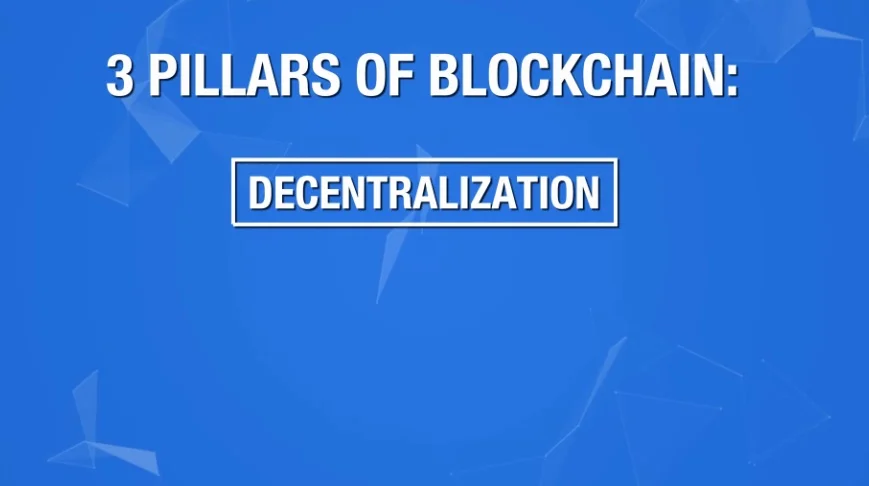
Ethereum gets its unique qualities from three main ideas of blockchain technology: decentralization, transparency, and immutability. These ideas mean that no single group controls the network, everyone can see its records, and once data is recorded, it cannot be changed.
Imagine the Ethereum network as a kind of app store, similar to what you might find on your phone. On this platform, people can create and launch different types of software applications. Because these applications are built on a decentralized blockchain, they are called decentralized applications or dApps.
Ether is the native cryptocurrency of the Ethereum blockchain. If Bitcoin is seen as digital gold, Ether can be thought of as digital oil because it powers or "fuels" the Ethereum network. Anyone who wants to build or use a software application on Ethereum must pay for the computing power and space using Ether.
Disclaimer: This article is for informational purposes only and does not constitute financial advice. Always conduct your own research before making any financial decision.
How Does Ethereum Work?
Ethereum works by using its underlying blockchain technology, which relies on a global network of computers.
- Decentralization: Data on Ethereum is stored on many different devices in various locations around the world, not in one central place. This also means no single person, company, or government controls the data or the process of recording it.
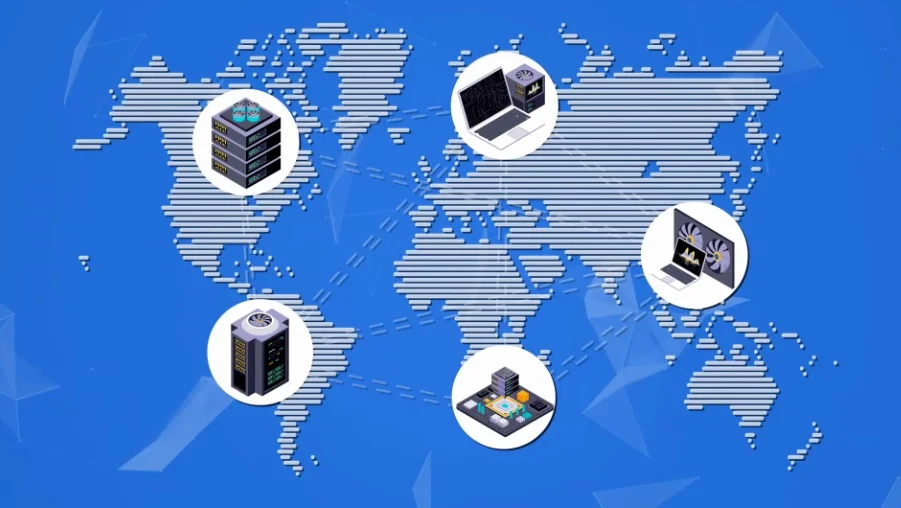
- Transparency: Transactions on Ethereum are recorded on a public record, or ledger, that is visible to everyone. This widespread sharing of data across the network makes it very difficult to change or alter.
- Immutability: Once new data is verified and added to the Ethereum blockchain, it cannot be changed, forged, or altered. This permanent record-keeping is secured using advanced methods from computer science.
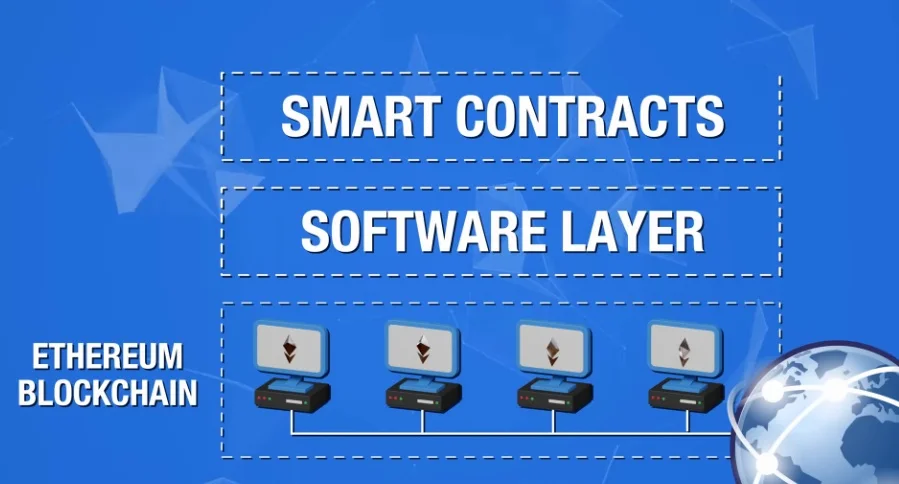
The Ethereum network can be understood in three conceptual layers:
- Base Layer (Nodes): This layer consists of a vast network of computers, called nodes, that run the Ethereum blockchain software. These nodes process, validate, broadcast, and store all transaction data. They use a consensus mechanism to agree on the validity of transactions.
consensus mechanism: a way for all computers within a network to come to an agreement on things like the validity of a transaction.
- Software Layer (Smart Contracts): On top of the base layer is a software layer that supports various programming languages. Developers use these languages to write smart contracts.
smart contracts: lines of code that automatically carry out the terms of an agreement. Smart contracts have the unique ability to authorize transactions and execute contract terms in a trusted digital environment, removing the need for a central authority like a bank or legal system.
- Application Layer (dApps): This final layer is where developers build and launch decentralized applications or dApps. These applications operate on Ethereum's decentralized platform. Popular examples include decentralized exchanges and NFT marketplaces.
Ethereum uses a Proof-of-Stake protocol as its consensus mechanism.
Proof-of-Stake: a method where computers called validators lock up cryptocurrency as collateral to verify transactions. Computers that participate in Proof-of-Stake are called validators. Staking means holding cryptocurrency in a wallet or smart contract for an extended period, essentially as collateral.
The Proof-of-Stake system selects validators to verify transaction blocks based on factors like how much cryptocurrency they have staked and for how long. If a validator successfully verifies a valid block that is approved by the network, they earn a reward in Ether. However, if they propose an invalid or fraudulent transaction, they are penalized by losing some of their staked cryptocurrency. This method of verifying transactions is much more energy efficient than older systems where computers competed using a lot of electricity. 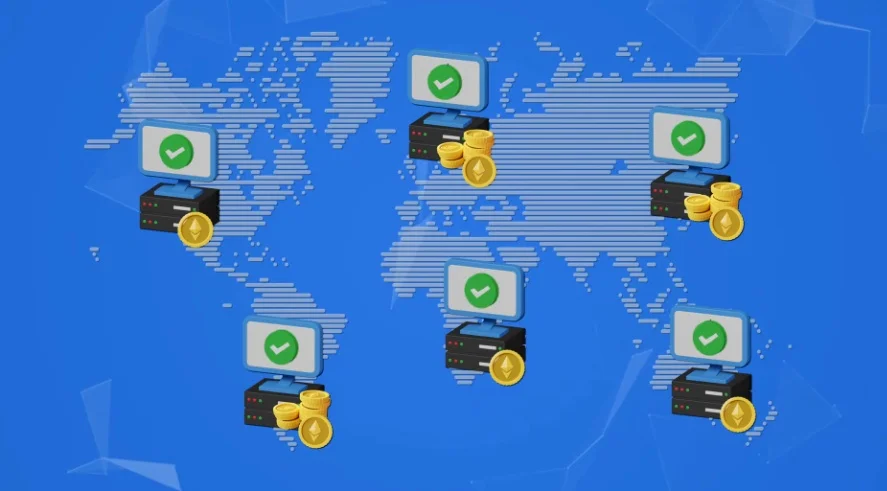
Every action on the Ethereum network, such as sending Ether or using a dApp, requires a transaction fee paid in Ether. This fee is determined by a system called Gas.
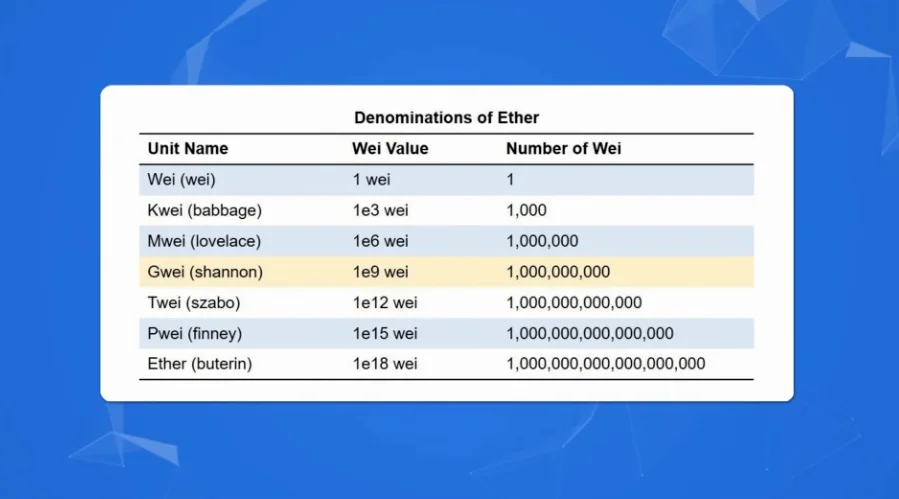
Gas: a built-in pricing system on Ethereum used to pay for transaction costs, representing computational power and space. Gas costs are calculated based on the complexity and size of a transaction. Gas prices are typically shown in Gwei, which is a tiny fraction of Ether. Gwei: a smaller unit of Ether, similar to how pennies are a fraction of a US dollar. When you initiate a transaction, you set a gas limit, which is the maximum amount of Ether you are willing to spend to complete it. If you don't have enough Ether to cover the gas fees, your transaction won't go through.
Many digital assets on Ethereum are ERC-20 tokens.
ERC-20: a standard list of rules that tokens issued on the Ethereum blockchain must follow. ERC-20 is a token standard, which is simply a list of rules that any tokens created on the Ethereum blockchain must follow. These rules ensure that all tokens work well together within the Ethereum ecosystem. Tokens: types of cryptocurrencies with specific functions or uses that operate on the Ethereum blockchain. An example is Tether, a stablecoin designed to always be worth one US dollar. Another is Basic Attention Token (BAT), which is used as a form of payment within a web browsing dApp.
Why Does Ethereum Matter?
Ethereum matters because it offers a new way to build and run digital services without relying on central authorities.
Its foundation in decentralization means that data is managed by a global network of computers, not by a single company or government. This approach aims to create a more transparent and trustworthy digital environment.
Smart contracts solve the problem of needing intermediaries like banks or lawyers for agreements. By automatically executing the terms of a contract, smart contracts make transactions trackable, transparent, and permanent, simplifying many processes.
The ability to build decentralized applications (dApps) on Ethereum has inspired new movements, such as Decentralized Finance (DeFi). DeFi aims to transform traditional financial systems into more open, transparent, and accessible ones for everyone, rather than being controlled by a few institutions.
Key Terms You Should Know
Term | Plain-English Meaning |
|---|---|
Ethereum | A blockchain-based software platform for building decentralized applications. |
Blockchain | A record of data stored on a global network of computers. |
Decentralization | Data stored on many devices, not controlled by a single person or entity. |
Transparency | Publicly visible record of transactions that is hard to alter. |
Immutability | Data that, once recorded, cannot be changed, forged, or altered. |
Ether | The native cryptocurrency that "fuels" the Ethereum network and pays for transactions. |
Software platform | A base system where other applications and services can be built and run. |
Decentralized Applications (dApps) | Software applications built on a decentralized blockchain platform like Ethereum. |
Gas | A built-in pricing system on Ethereum used to pay for transaction costs, representing computational power and space. |
Gwei | A smaller unit of Ether, used to express gas prices, similar to pennies for a dollar. |
Gas limit | The maximum amount of Ether a user is willing to spend for a transaction. |
Proof-of-Stake | A consensus mechanism where computers called validators lock up cryptocurrency as collateral to verify transactions. |
Validators | Computers that participate in the Proof-of-Stake process to verify transactions. |
Staking | Holding cryptocurrency in a wallet or smart contract for a period, often to earn rewards. |
Consensus mechanism | A way for all computers in a network to agree on the validity of transactions. |
Nodes | Computers that connect to the internet and run the Ethereum blockchain software. |
Smart contracts | Lines of code that automatically carry out the terms of an agreement. |
ERC-20 | A standard list of rules that tokens issued on the Ethereum blockchain must follow. |
Token standard | A set of rules for creating new digital assets on a blockchain. |
Tokens | Types of cryptocurrencies with specific functions or uses that operate on the Ethereum blockchain. |
Tether | An ERC-20 token that is a stablecoin, designed to maintain the same value as the US dollar. |
Stablecoin | A type of token designed to maintain a stable value, often pegged to a traditional currency like the US dollar. |
Decentralized Finance (DeFi) | A movement to transform traditional financial systems into more transparent, decentralized systems using blockchain technology. |
Common Misconceptions
- Ethereum is the same as Bitcoin: While both use blockchain technology, Bitcoin is primarily a digital currency for payments and storing value. Ethereum is a programmable software platform for building various applications, with Ether as its fuel.
- Ether and Ethereum are the same: Ethereum is the overall software platform that hosts dApps. Ether is its native cryptocurrency, specifically used to pay for activities and computations on the network.
Ethereum vs. Bitcoin
Ethereum | Bitcoin | |
|---|---|---|
Purpose | Programmable software platform for building applications | Digital currency for payments and store of value |
Native Crypto | Ether (fuels the network) | Bitcoin (used as currency) |
Consensus Mechanism | Proof-of-Stake | Proof-of-Work (used to secure its network) |
Supply | Deflationary (less Ether will enter into circulation over time) | Fixed supply (its rate of inflation is low and predictable over time) |
Frequently Asked Questions
Is Ethereum safe?
Ethereum is designed with decentralization, transparency, and immutability at its core. This means data is stored across many computers, visible to all, and cannot be changed once recorded. These features aim to create a trustworthy and secure environment.
Do I need Ether to use Ethereum?
Yes, Ether is the native cryptocurrency that "fuels" the Ethereum network. You need Ether to pay for Gas, which covers the transaction costs and computing power required to use or build applications on the network.
How is Ethereum different from a traditional app store?
Unlike a traditional app store controlled by a single company, Ethereum is a decentralized software platform. This means no single person or entity controls it, and the decentralized applications (dApps) built on it operate without a central authority, offering more transparency.
Can anyone use Ethereum?
Yes, Ethereum is built on open-source software and is designed to be a publicly accessible software platform. Anyone can interact with its decentralized applications (dApps) or even build their own dApps on the network.
What are tokens on Ethereum?
Tokens are types of cryptocurrencies with specific functions or uses that operate on the Ethereum blockchain. They follow a set of rules called the ERC-20 standard, ensuring they are compatible with the network. Examples include stablecoins like Tether, which maintains a stable value.